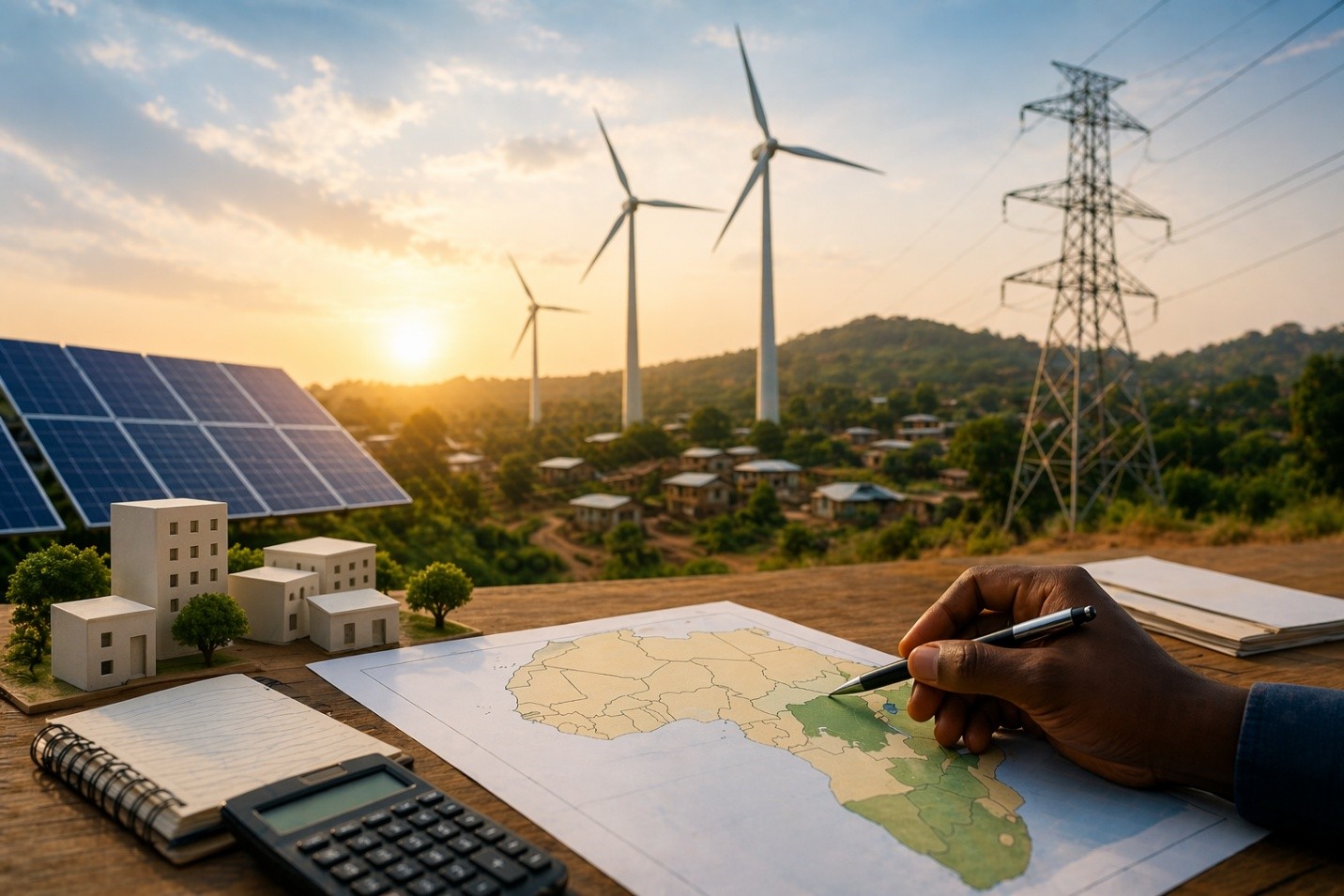
A study by researchers at the Brew-Hammond Energy Centre, has uncovered important gaps in the tools used to plan energy systems in developing countries, especially across Sub-Saharan Africa.
Published in the journal Energy Reports, the study examined widely used energy planning models that help governments decide how energy is produced, distributed, and managed. These tools are critical for shaping policies on electricity access, economic growth, and climate action.
The researchers highlight that energy is central to everyday life, it powers industries, transportation, healthcare, and education. Yet, many countries in Sub-Saharan Africa still struggle with unreliable electricity, fast population growth, and rising energy demand.
According to the study, global challenges such as the COVID-19 pandemic and international conflicts have further strained energy systems, making effective planning more urgent than ever.
While energy modelling tools are useful for predicting future energy needs and designing cleaner energy systems, the study found a major limitation: most of these tools were developed in advanced economies and do not fully reflect the realities of developing countries.
Key local factors, such as informal economic activities, limited data, rapid urbanization, and unique climate conditions, are often missing from these models. This means that policies based on them may not be accurate or effective for countries in Sub-Saharan Africa.
The researchers warn that relying on such incomplete models could lead to poor energy decisions, slowing progress toward reliable electricity access and climate goals.
Despite these challenges, the study emphasizes that energy planning tools remain essential. They guide investments, improve efficiency, and support the transition to renewable energy sources like solar and wind.
To address the gaps, the researchers are calling for the development of more locally tailored energy models. These models should reflect the specific social, economic, and environmental conditions of developing countries.
The study stressed that improving these tools could strengthen decision-making, speed up clean energy adoption, and support sustainable development across Sub-Saharan Africa.
The research was undertaken by Dr. Romain Akpahou, Prof. Lena D. Mensah, Prof. David A. Quansah, and Prof. Francis Kemausuor.