
A delegation of German University Leaders has engaged fellows of the Brew-Hammond Energy Centre (TBHEC) at the Kwame Nkrumah University of Science and Technology (KNUST) to explore opportunities for collaboration in energy research and innovation.
The meeting, held at the Antarctic Boardroom, focused on fostering partnerships through joint research projects, student and staff exchanges, and co-supervised academic programmes between TBHEC and partner universities.
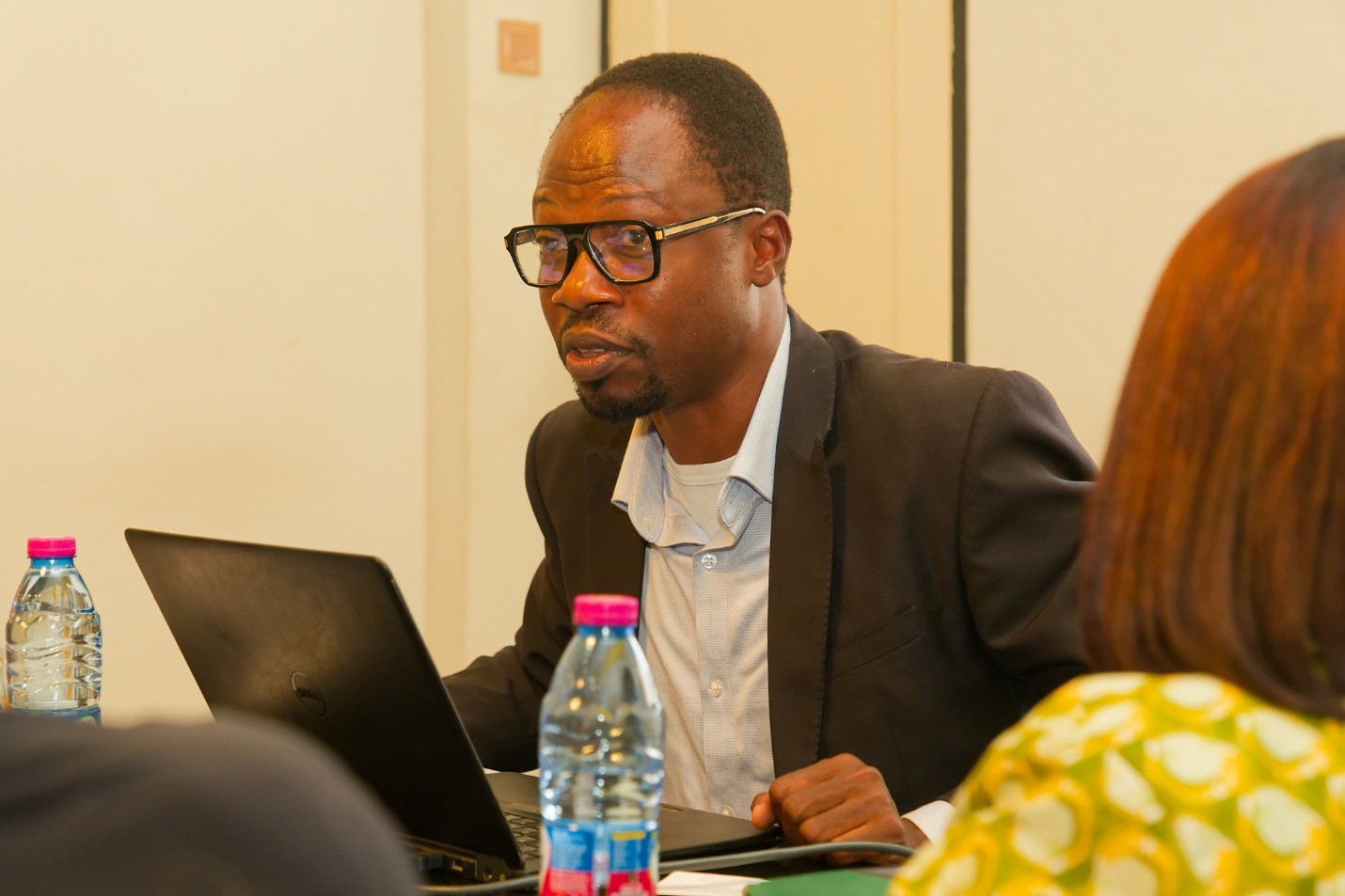 During the engagement, the Director of TBHEC, Prof. David Ato Quansah, presented ongoing research in renewable energy, energy policy, sustainable mobility, and energy systems modelling at the Centre. He highlighted TBHEC’s growing role in advancing energy solutions in Ghana and underscored the urgency of addressing energy access challenges across Africa.
“Access to energy remains a critical development challenge across Africa,” he said, adding that millions of people still lack access to electricity and clean cooking solutions.
He emphasized that sustained research and policy development are essential to achieving sustainable growth on the continent.
Prof. Quansah outlined the centre’s key research areas, including solar energy systems, electric vehicles, bioenergy, green hydrogen, energy storage, and energy policy. He also highlighted TBHEC’s involvement in national and regional energy initiatives, particularly Ghana’s transition agenda aimed at achieving net-zero emissions by 2070.
“Over the years, the Center has collaborated with universities and development organizations on projects such as solar-powered irrigation, renewable energy education, and sustainable mobility research,” he said.
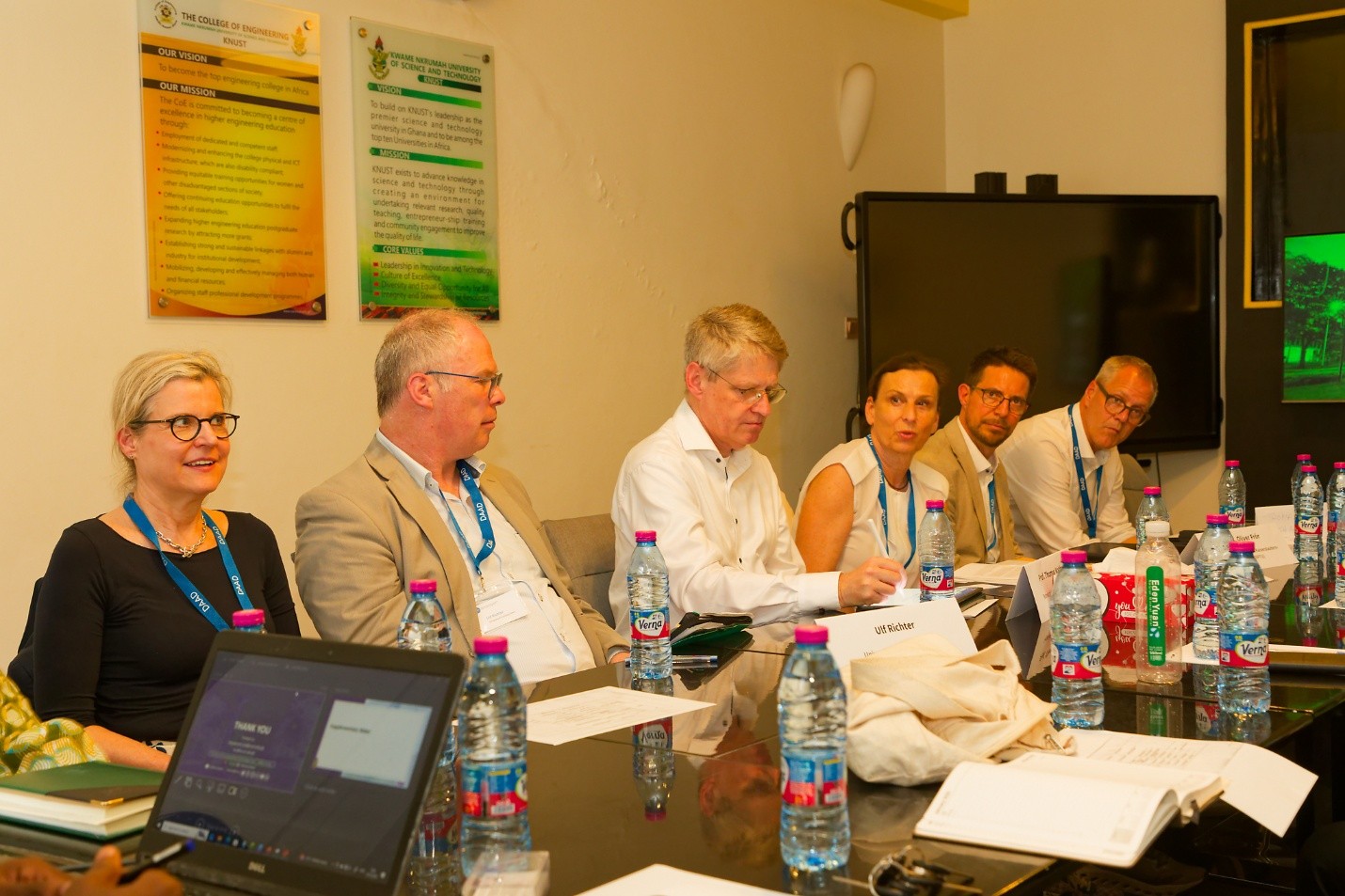 President of the Brandenburg University of Technology Cottbus-Senftenberg (BTU), Professor Gesine Grande, expressed interest in the centre’s work and acknowledged the breadth of its research portfolio.
She indicated potential areas of collaboration, including electric vehicle technology, energy economics, and fuel science, while drawing parallels between TBHEC and BTU’s innovation structures.
“We have innovation hub which looks much like that of the center where energy research takes place,” she said.
Discussions also extended to broader global energy issues, including infrastructure development, government involvement in energy systems, and the role of private sector investment in energy distribution and transition.