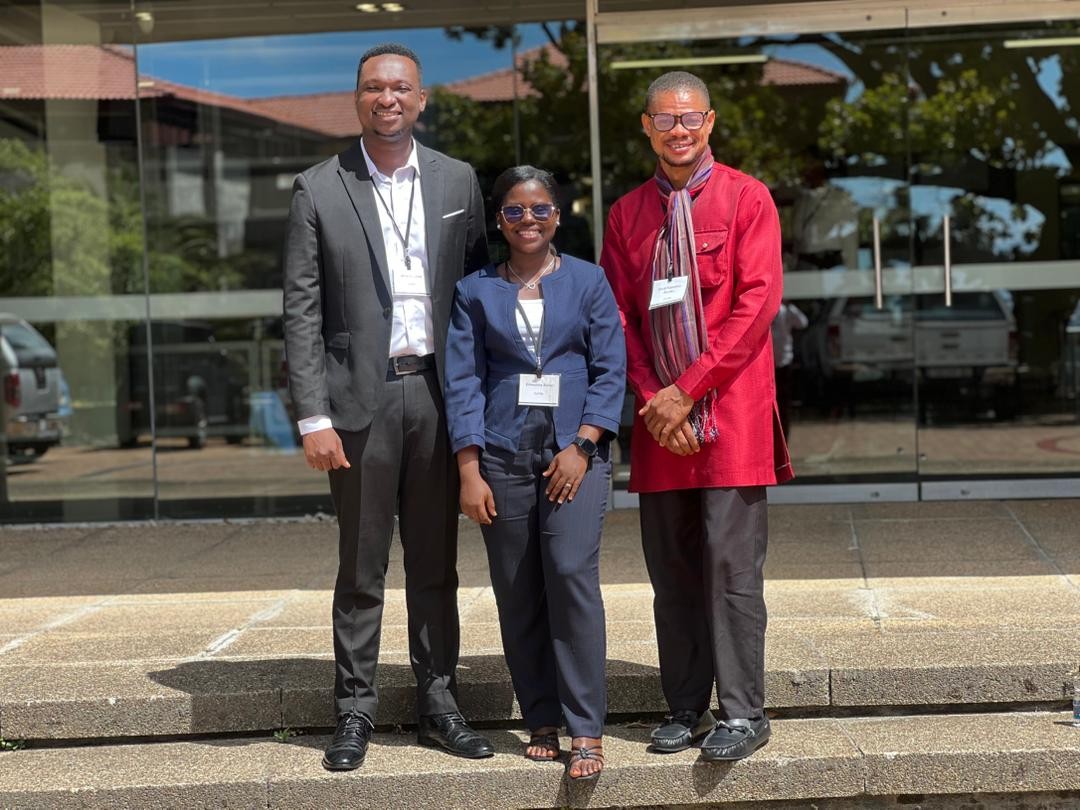
A three-member delegation from the Kwame Nkrumah University of Science and Technology (KNUST) has successfully participated in the 2026 Energy Modelling Platform for Africa (EMP-A), a high-level capacity-building programme organized by Climate Compatible Growth (CCG) in collaboration with Africa Energy Futures (AEF), the World Bank (WB), the Energy Systems Research Group, and the University of Cape Town.
The KNUST team comprised Dr. Jerome Dela Lavie, Lecturer at the Department of Agricultural and Biosystems Engineering; Dr. Ernestina Annan, WASCAL CCLU IT Officer and Office Manager; and Mr. David Kabutey Akuaku, a PhD student in Bioengineering. The team participated in the Climate, Land-use, Energy, and Water Systems (CLEWs) track of the programme.
The CLEWs framework is designed to equip practitioners with the analytical tools to model the interdependencies between climate, land, energy, and water systems. By integrating these critical sectors, the framework supports holistic policy analysis and strategic planning, particularly in contexts marked by resource constraints and climate variability.
The hybrid training programme began with foundational online sessions held from 19th to 23rd January 2026, followed by an intensive in-person training session from 26th January to 6th February 2026 at the University of Cape Town in South Africa.
During the training, the KNUST representatives engaged in hands-on model development and scenario analysis that incorporated climate projections and sectoral linkages. They also collaborated with participants from across Africa to address complex resource management challenges using integrated modelling tools.
Their participation aligns with the University’s ongoing commitment to strengthening capacity in energy systems modelling, climate resilience, and interdisciplinary research. The engagement further complements the University’s involvement in initiatives such as the West African Science Service Centre on Climate Change and Adapted Land Use (WASCAL) and related programmes focused on environmental and resource modelling.
The knowledge and skills acquired through the CLEWs training are expected to enhance ongoing research activities, inform curriculum development, and support advisory roles within Ghana’s energy and sustainability sectors.
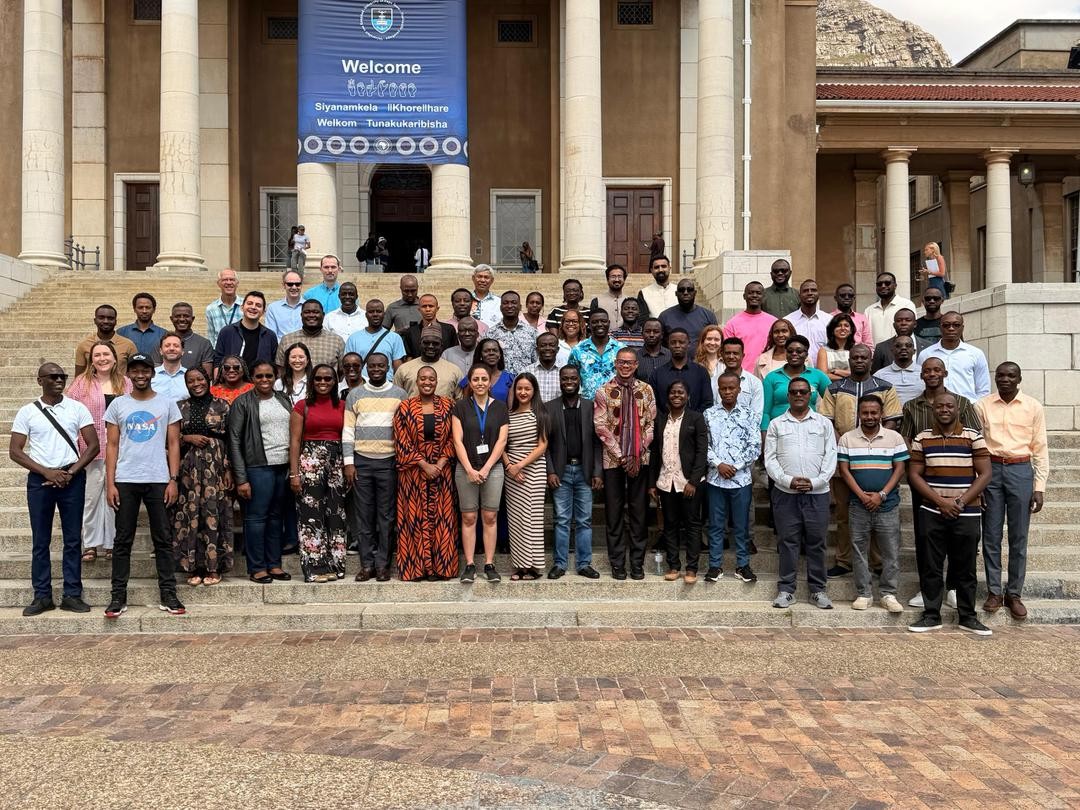
Beyond technical training, the programme also fostered regional networking and collaboration, creating opportunities for joint initiatives in national and sub-regional energy planning. These efforts contribute to broader continental and global development frameworks, including Agenda 2063 and the Sustainable Development Goals.